
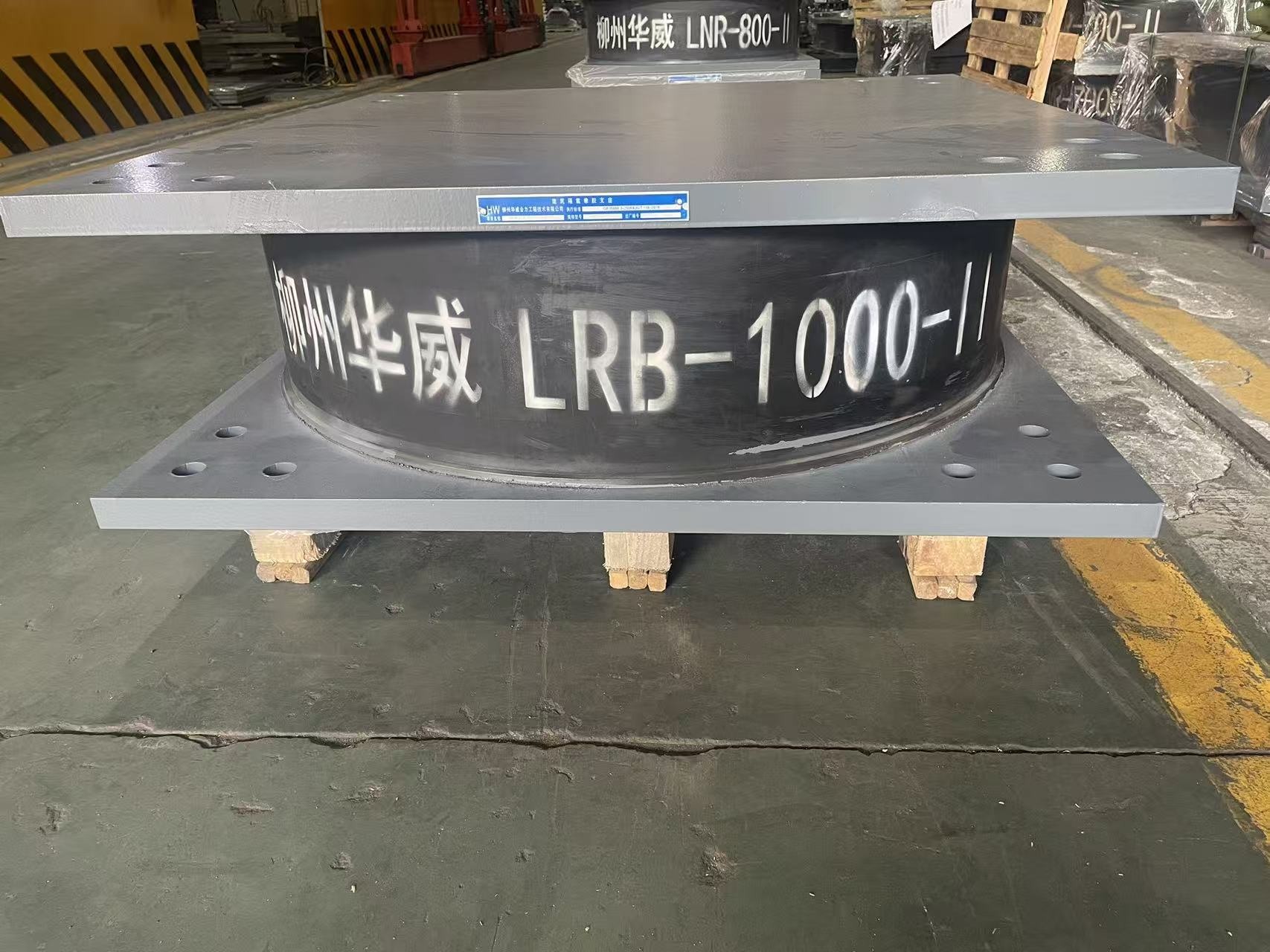
LRB lead-rubber bearing
Lead-rubber bearing combining support, restoring action and damping.
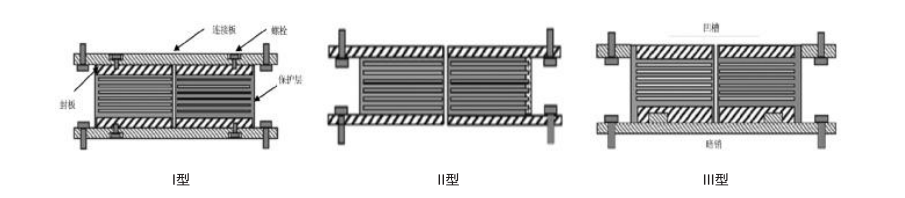
The LRB building bearing combines laminated rubber and steel with lead-core energy dissipation. The catalog provides separate mechanical-property and dimension schedules for the illustrated construction types.
Configuration & selection
Lead-core energy dissipation
Type I and II model schedules
For selection, send the design loads, movement requirements and connection drawings. Confirm the model, dimensions and interfaces against your project drawings.
Applications
Building base-isolation systems requiring vertical support, restoring action and lead-core energy dissipation.
Key features
- Lead cores dissipate energy during cyclic horizontal deformation.
- Rubber layers provide flexibility and restoring force.
- Laminated construction combines these functions with vertical load support.
Technical specifications
Choose the LRB configuration from load, displacement, effective stiffness, equivalent damping and yield-force requirements. The catalog provides Type I and Type II tables; model diameter alone is not a complete specification.
Detailed technical information
LRB Type I dimensions and performance
Design loads use a reference pressure of 15 MPa for the catalog’s Class C building category (丙类); loads for other building categories require conversion. Types I and II have different body heights.
| Model | Design load (kN) | Effective diameter (mm) | Body height (mm) | Total rubber thickness (mm) | S1 | S2 | 100% strain: equivalent horizontal stiffness (kN/mm) | 100% strain: damping ratio (%) | 100% strain: pre-yield stiffness (kN/mm) | 100% strain: post-yield stiffness (kN/mm) | 250% strain: equivalent horizontal stiffness (kN/mm) | Vertical stiffness (kN/mm) | Yield force (kN) |
|---|---|---|---|---|---|---|---|---|---|---|---|---|---|
| LRB400 | 1884 | 400 | 156 | 73 | ≥15 | ≥5 | 1.04 | 23 | 8.84 | 0.68 | 0.79 | 1450 | 27 |
| LRB500 | 2944 | 500 | 183 | 92 | ≥15 | ≥5 | 1.27 | 23 | 10.92 | 0.84 | 0.97 | 1850 | 40 |
| LRB600 | 4239 | 600 | 201 | 110 | ≥15 | ≥5 | 1.58 | 23 | 13.13 | 1.01 | 1.2 | 2200 | 63 |
| LRB700 | 5770 | 700 | 241 | 129 | ≥15 | ≥5 | 1.81 | 23 | 15.21 | 1.17 | 1.38 | 2700 | 83 |
| LRB800 | 7536 | 800 | 270 | 148 | ≥15 | ≥5 | 2.05 | 23 | 17.29 | 1.33 | 1.56 | 3100 | 106 |
| LRB900 | 9538 | 900 | 291 | 165 | ≥15 | ≥5 | 2.37 | 23 | 19.63 | 1.51 | 1.8 | 3800 | 141 |
| LRB1000 | 11775 | 1000 | 334 | 184 | ≥15 | ≥5 | 2.6 | 23 | 21.71 | 1.67 | 1.98 | 4500 | 171 |
| LRB1100 | 14248 | 1100 | 362 | 202 | ≥15 | ≥5 | 2.97 | 24 | 24.05 | 1.85 | 2.26 | 5000 | 227 |
| LRB1200 | 16956 | 1200 | 380 | 220 | ≥15 | ≥5 | 3.22 | 24 | 26.26 | 2.02 | 2.45 | 5500 | 264 |
| LRB1300 | 19900 | 1300 | 414 | 239 | ≥15 | ≥5 | 3.45 | 24 | 28.34 | 2.18 | 2.62 | 6600 | 304 |
| LRB1400 | 23079 | 1400 | 461 | 257 | ≥15 | ≥5 | 3.76 | 24 | 30.55 | 2.35 | 2.86 | 7500 | 362 |
| LRB1500 | 26494 | 1500 | 486 | 276 | ≥15 | ≥5 | 4.05 | 24 | 32.63 | 2.51 | 3.08 | 8400 | 425 |
Source: manufacturer catalog, printed page 53. The 100% and 250% conditions are shear strain.
LRB Type II dimensions and performance
| Model | Design load (kN) | Effective diameter (mm) | Body height (mm) | Total rubber thickness (mm) | S1 | S2 | 100% strain: equivalent horizontal stiffness (kN/mm) | 100% strain: damping ratio (%) | 100% strain: pre-yield stiffness (kN/mm) | 100% strain: post-yield stiffness (kN/mm) | 250% strain: equivalent horizontal stiffness (kN/mm) | Vertical stiffness (kN/mm) | Yield force (kN) |
|---|---|---|---|---|---|---|---|---|---|---|---|---|---|
| LRB400 | 1884 | 400 | 156 | 73 | ≥15 | ≥5 | 1.04 | 23 | 8.84 | 0.68 | 0.79 | 1450 | 27 |
| LRB500 | 2944 | 500 | 183 | 92 | ≥15 | ≥5 | 1.27 | 23 | 10.92 | 0.84 | 0.97 | 1850 | 40 |
| LRB600 | 4239 | 600 | 211 | 110 | ≥15 | ≥5 | 1.58 | 23 | 13.13 | 1.01 | 1.2 | 2200 | 63 |
| LRB700 | 5770 | 700 | 257 | 129 | ≥15 | ≥5 | 1.81 | 23 | 15.21 | 1.17 | 1.38 | 2700 | 83 |
| LRB800 | 7536 | 800 | 280 | 148 | ≥15 | ≥5 | 2.05 | 23 | 17.29 | 1.33 | 1.56 | 3100 | 106 |
| LRB900 | 9538 | 900 | 311 | 165 | ≥15 | ≥5 | 2.37 | 23 | 19.63 | 1.51 | 1.8 | 3800 | 141 |
| LRB1000 | 11775 | 1000 | 364 | 184 | ≥15 | ≥5 | 2.6 | 23 | 21.71 | 1.67 | 1.98 | 4500 | 171 |
| LRB1100 | 14248 | 1100 | 382 | 202 | ≥15 | ≥5 | 2.97 | 24 | 24.05 | 1.85 | 2.26 | 5000 | 227 |
| LRB1200 | 16956 | 1200 | 410 | 220 | ≥15 | ≥5 | 3.22 | 24 | 26.26 | 2.02 | 2.45 | 5500 | 264 |
| LRB1300 | 19900 | 1300 | 444 | 239 | ≥15 | ≥5 | 3.45 | 24 | 28.34 | 2.18 | 2.62 | 6600 | 304 |
| LRB1400 | 23079 | 1400 | 501 | 257 | ≥15 | ≥5 | 3.76 | 24 | 30.55 | 2.35 | 2.86 | 7500 | 362 |
| LRB1500 | 26494 | 1500 | 526 | 276 | ≥15 | ≥5 | 4.05 | 24 | 32.63 | 2.51 | 3.08 | 8400 | 425 |
Source: manufacturer catalog, printed page 54. The 100% and 250% conditions are shear strain.
Building rubber isolation bearings: principle and types
An isolation layer at the building base or another designed level separates the upper structure from the lower foundation. By isolating or dissipating seismic energy, it reduces transmission to the occupied structure and helps protect occupants, equipment and continued operation. Conventional earthquake resistance primarily relies on the connected structure carrying seismic action; isolation introduces a flexible layer to reduce that action.
The product specification states indicative reductions of 70%–90% in seismic response, equivalent to 1–2 intensity degrees, and 5%–20% construction-cost savings. These indicative benefits depend on the building design and site conditions. The listed applications include lifeline facilities, major projects, ordinary buildings and retrofit strengthening.
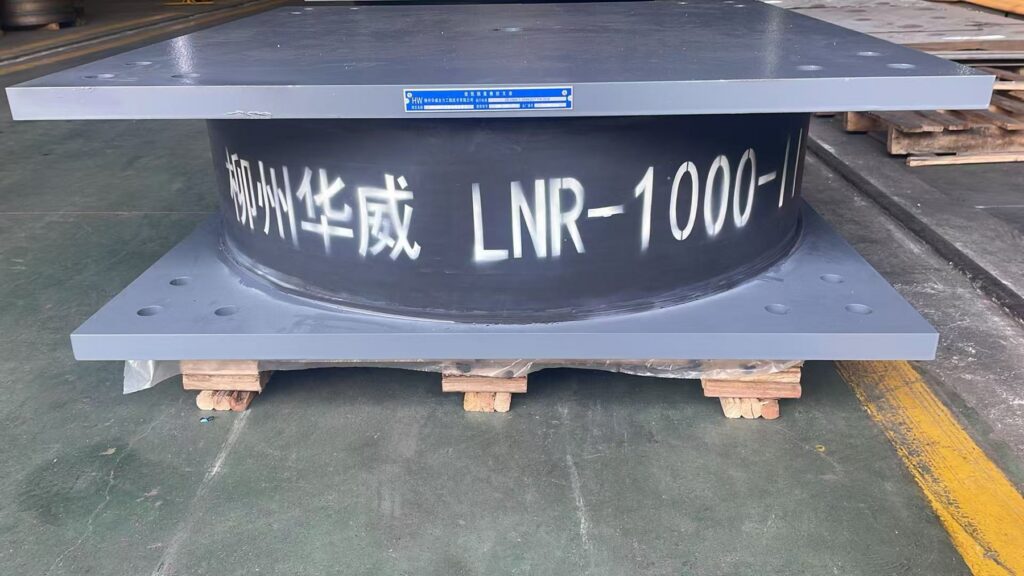
Rubber isolators use shear deformation of rubber/steel laminations; friction pendulum bearings dissipate energy by sliding friction and use pendulum geometry for restoring action. Example product sizes include LNR-1000 and LRB-1100.
Building isolation testing
Building isolation bearing evaluation covers vertical compression, horizontal shear stiffness, equivalent damping, cyclic behaviour and rubber material properties. The test documentation includes rubber isolation bearing inspection reports, performance-result tables, force–displacement curves and test-machine records.
Rubber-property evaluation covers hardness, tensile strength, elongation at break, brittleness, compression set, ageing and rubber-to-steel adhesion. Mechanical tests assess the complete bearing under its specified load and displacement conditions.
Building isolation: principle, applications and benefits
An isolation system at the building base converts much of the structure’s lateral shaking into movement of the isolation layer, reducing the seismic energy transmitted to the upper structure. The presentation describes applications in housing, schools, hospitals, public venues, precision-instrument rooms and lifeline facilities in areas of high seismic demand.
- Potential construction savings: reduced design earthquake action can permit smaller member sections and less reinforcement, subject to the actual structural design.
- Vertical support: carries the building weight.
- Restoring function: rubber elasticity supports recovery after wind or earthquake movement.
- Damping: limits isolated-structure response, particularly horizontal displacement.
Building isolation: types and design benefits
Rubber bearings and elastic sliding bearings can be used independently or together in a combined isolation system. Rubber bearings are available in Type I, Type II and Type III construction forms.
| Type | Functions and use |
|---|---|
| LNR natural rubber | Vertical load support and horizontal restoring force. |
| LRB lead-rubber | Vertical load support, horizontal restoring force and damping; can be used as an independent isolation component. |
| HDR high-damping rubber | Vertical load support, horizontal restoring force and damping; commonly combined with supplementary dampers. |
Construction cost and use of land
Under the appropriate structural design conditions, isolation can allow the superstructure seismic design intensity to be reduced by 1–1.5 degrees, optimising reinforcement and wall construction and reducing civil construction cost. In medium- and high-intensity regions, controlled design conditions can permit 1–2 additional storeys, improving floor-area utilisation.
Seismic performance objectives
The company’s design presentation describes a reduction in upper-structure seismic response of 1/4–1/8 compared with conventional earthquake-resistant structures, together with a one-level increase in protection. Actual performance depends on the building and isolation-system design.
| Earthquake level | Conventional structure | Isolated structure |
|---|---|---|
| Minor | No damage | No damage |
| Moderate | Repairable damage | Slight damage |
| Major | No collapse | Continued use |
Hainan Provincial Childcare Comprehensive Service Centre
Building isolation bearings supplied for the Hainan Provincial Childcare Comprehensive Service Centre include natural-rubber LNR1000 bearings and lead-rubber isolation bearings in the 1100 size class.
Jinshan Middle School library reconstruction
LNR natural-rubber and LRB lead-rubber building isolation bearings were supplied for the post-disaster demolition and reconstruction of the Jinshan Middle School library in Wenchang, Hainan.
More building isolation
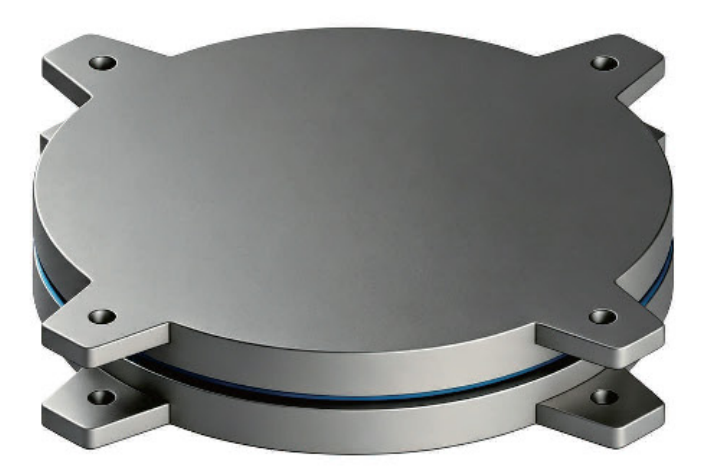
Building friction pendulum bearing
Curved sliding isolation with frictional energy dissipation.
View productNo products match your search.